
Dashboard
Dashboard
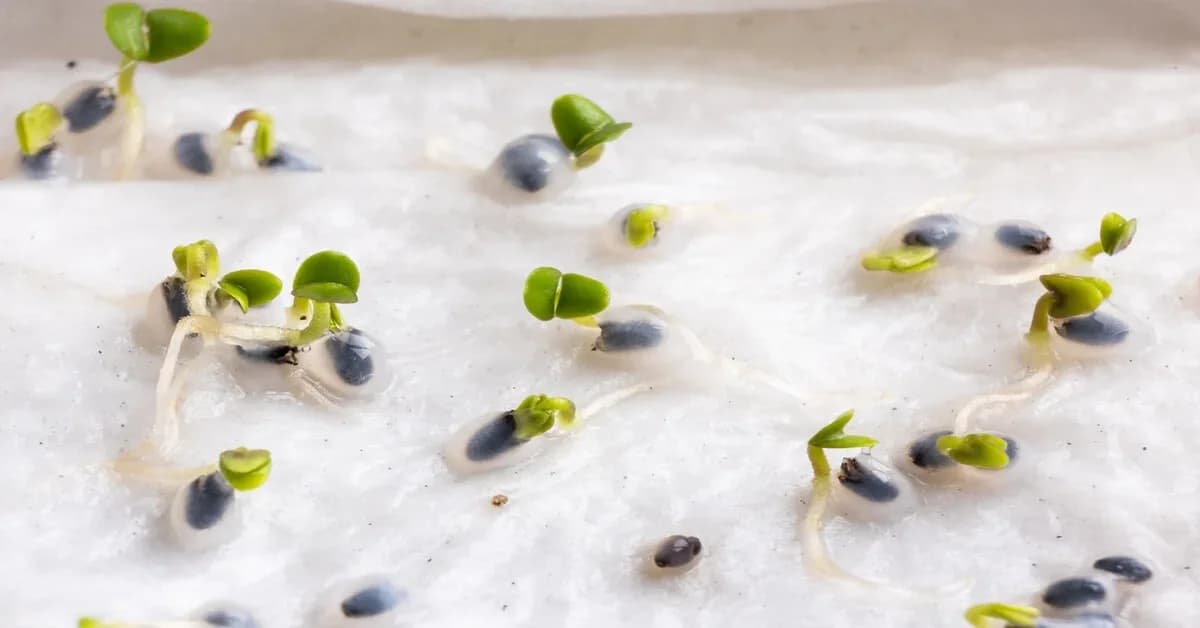
You might think you can just plop a seed in water and forget it, but that's one of the fastest ways to end up with moldy failures. Germination is crucial because setting your seedlings up correctly dictates how strong they'll be when they hit the roots.
Don't waste money buying massive propagation trays right away. When I started, I’d throw too many seeds at one time and get overwhelmed. My go-to trick is using damp paper towels inside a sealed plastic container. It keeps things incredibly humid without the mess. Simply place your seeds between layers of damp paper towel, seal the container, and keep it in a warm spot—ideally around 24°C–26°C. .
The goal here isn't deep growth; it’s activating the process gently. Keep that paper towel damp, not soaking wet, ensuring humidity stays high (around 80%). The moment those tiny white roots poke out, they are ready to be carefully moved into your starter media, like a blend of coco coir and perlite. Periodically rinse your setup with distilled water and monitor the temperature; you want it staying consistent, ideally under 22°C.
The moment those tiny white radicles poke out, they are vulnerable. Don't let them dry out moving into their next stage! After about a week, when the cotyledons (the first leaves) appear, it's time to transplant them. I always prefer individual 50mL pots filled with coco coir because it’s more forgiving than rockwool when dealing with pH swings.
Everyone talks about feeding nutrients immediately, but here's the secret my mentors almost never told me: wait. You shouldn't feed them until they are at least 1 inch tall and have their second set of true leaves popping out. Feeding too early will cause nutrient burn or stress because their root systems aren't developed enough to handle the salinity. Wait another week after sprouting; that gives you buffer time.
The next critical step is stabilizing your water chemistry. As they root, gradually adjust your feeding solution back toward a mild concentration—maybe starting at 0.4 EC and slowly working up to 0.8 EC over two weeks. Keep pH in the tight range of 5.8–6.2; fluctuations here will stall growth fast.
Treat this initial stage like baby care: consistency is everything, and patience is the best nutrient you can give them.