
Dashboard
Dashboard
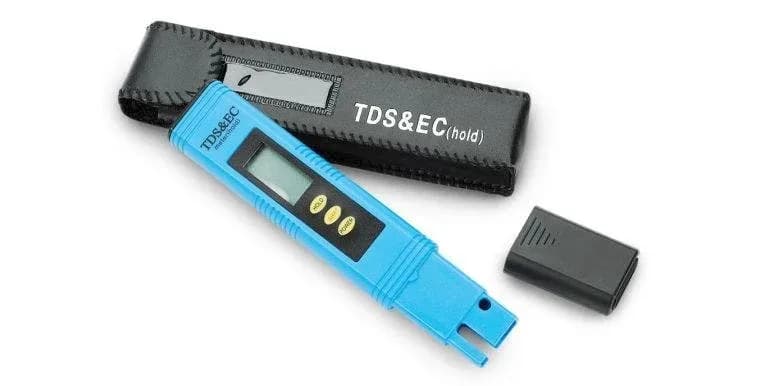
Ever poured in what you thought was enough nutrient solution, only to find your plants looking sad a few days later? That's probably because you were guessing your nutrient strength instead of measuring it.
We've all been there: staring at our plants, wondering if they're hungry or overfed. It's a fine line in hydroponics, and if you're not using an EC meter, you're basically flying blind. EC stands for Electrical Conductivity, and it's how we measure the total concentration of dissolved salts – aka nutrients – in your water.
Think of your plants like kids at a buffet. Too little food, and they'll starve. Too much, and they'll get sick. Your EC meter tells you exactly how much 'food' is in their water. If your EC is too low, your plants won't get enough to eat and you'll see pale growth. If it's too high, you're looking at nutrient burn, where the leaf tips go crispy and brown. I've ruined entire crops by not paying attention to EC, assuming the nutrient manufacturer's recommendations were a one-size-fits-all solution. They aren't.
Don't skimp here. A cheap, inaccurate meter is worse than no meter at all because it gives you false confidence. You want something reliable. Pen-style meters are usually fine for home growers, but make sure it's waterproof and has automatic temperature compensation (ATC). Calibration is key, too. You should calibrate your meter at least once a month, or more if you're a heavy user. Most meters come with a calibration solution, usually around 1.41 mS/cm (which is 1413 µS/cm or EC 1.4). Don't skip this step; it's like setting your watch without knowing the actual time.
It's pretty straightforward. Turn it on, stick it in your nutrient reservoir, and read the number. But here's the catch: temperature affects EC readings. A warmer solution will read a higher EC, even if the actual nutrient concentration hasn't changed. That's why ATC is so important. Aim for a reservoir temperature under 22°C (72°F) for best results and less nutrient lockout. I typically check my EC every single day, sometimes twice, especially during the flowering stage when plants are hungrier.
A huge mistake I often see is just 'topping off' the reservoir with plain water without checking the EC. If your plants are drinking a lot of water but not taking up as many nutrients, your EC will climb steadily. Eventually, you'll burn them. Always check your EC before you add anything to the reservoir. As for targets, they vary wildly by plant type and growth stage, but a general range for many leafy greens might be 0.8-1.5 EC, while fruiting plants can go up to 2.0-2.5 EC in peak flower. Always consult your specific plant's needs, but use those numbers as a starting point. Your plants will tell you if you're off; it just takes practice to listen to them.
If you're not measuring your EC, you're guessing, and that guesswork will cost you healthy plants and good yields.